

The Thrill of Gambling: An Emotional Rollercoaster
The allure of casinos lies significantly in the emotions they evoke. From the moment a player enters a casino, they are enveloped in a vibrant environment filled with flashing lights, cheerful sounds, and the intoxicating possibility of winning. This emotional stimulation can trigger a rush of adrenaline, often leading to a euphoric state that enhances decision-making. Interestingly, engaging with an online bitcoin casino can also amplify these feelings, as players navigate thrilling digital games. The thrill of anticipation plays a crucial role in how players engage with games, making them more likely to risk their money for the chance of a significant reward.
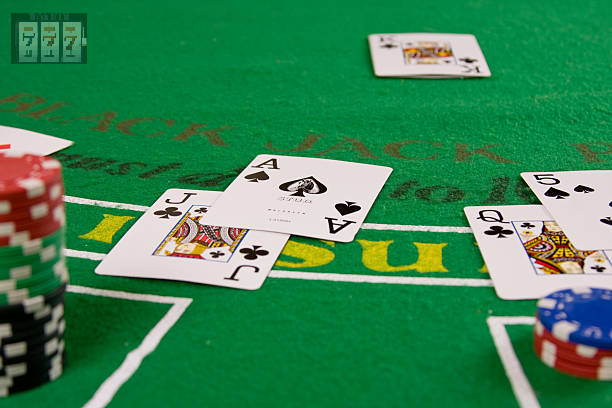
This emotional high can lead to what psychologists describe as a ‘gambling high,’ where players feel a sense of euphoria associated with the act of betting. This phenomenon is closely linked to the body’s release of dopamine, a neurotransmitter associated with pleasure and reward. Understanding this psychological response is key to recognizing why individuals can become entrapped in cycles of gambling, driven by the pursuit of that feeling of excitement and victory.
The Role of Cognitive Biases in Gambling
The Impact of Environment on Gambling Behavior
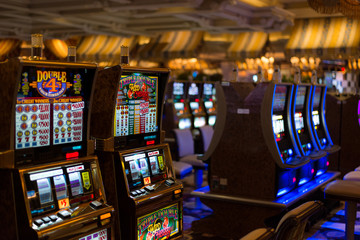
The physical environment of a casino plays a pivotal role in shaping gambling behavior. Elements such as layout, music, and crowd density can influence a player’s willingness to gamble. Casinos are meticulously designed to keep players engaged for longer periods, often featuring features like free drinks and comfortable seating to maintain a player’s attention. This design choice creates an immersive experience that can lead to higher spending.
The Psychology of Risk and Reward
The fundamental concept of risk and reward lies at the heart of gambling psychology. Players often approach gambling with a calculated mindset, weighing potential losses against possible payouts. This risk assessment process varies significantly among individuals. Some may embrace high-risk games with the allure of larger payouts, while others may gravitate towards safer bets, opting for a steadier approach.
The perception of risk is also colored by previous experiences. A string of wins can lead to overconfidence, often resulting in reckless betting behavior. Conversely, a series of losses may induce a cautious mindset, encouraging players to play conservatively or stop altogether. This dynamic interplay between risk perception and emotional response reflects the complexity of human behavior in casino environments.
Prioritizing Safety and Security in Gambling
